

USGBC LEED LEED-Green-Associate最新問題集で2026年10月10日
2026年最新の問題をマスター!USGBC LEED合格目指そう!LEED-Green-Associateリアル試験問題集!
USGBC LEED-Green-Associate 認定試験の出題範囲:
| トピック | 出題範囲 |
|---|---|
| トピック 1 |
|
| トピック 2 |
|
| トピック 3 |
|
| トピック 4 |
|
| トピック 5 |
|
質問 # 228
Which of the following demonstrates life-cycle approach to development or design?
- A. Renovating an existing building using recycled and salvaged building materials
- B. Locating a new building in a dense district with a diversity of uses and plentiful transit routes
- C. Purchasing and demolishing a 100-year-old apartment building to build a new. energy-efficient building
- D. Designing a building envelope with the most advanced technology to maximize insulation values, regardless of what materials are used
正解:A
解説:
Renovating an existing building using recycled and salvaged building materials is an example of a life-cycle approach to development or design. A life-cycle approach is an approach that considers the environmental impacts of a product or a project from cradle to grave, or from extraction of raw materials to disposal or reuse. Renovating an existing building using recycled and salvaged building materials reduces the environmental impacts associated with new construction, such as land use change, resource depletion, energy consumption, waste generation, and greenhouse gas emissions. The LEED Green Associate Candidate Handbook states that one of the intents of the Materials and Resources category is to "promote life-cycle assessment as a means of evaluating environmental impacts" [1, p. 15]. Reference: LEED Green Associate Candidate Handbook, [Life Cycle Assessment | U.S. Department of Energy]
質問 # 229
When selecting the appropriate LEED rating system for a project, which of the following processes should the project team use if the project falls under multiple rating systems?
- A. Use the Rating System Selection Guidance
- B. Select the rating system with the fewest prerequisites
- C. Perform a comprehensive environmental impact study
- D. Refer to LEED's Minimum Program Requirements for a final decision
正解:A
解説:
The project team should use the Rating System Selection Guidance. LEED has different rating systems for different project types, scopes, and market sectors, such as BD+C, ID+C, O+M, Homes, and Neighborhood Development. When more than one rating system appears applicable, the team should apply LEED's selection guidance, including the 40/60 rule: if a rating system is appropriate for more than 60% of the gross floor area, that rating system should generally be used. Minimum Program Requirements determine basic eligibility, but they do not by themselves select the rating system. An environmental impact study may support design decisions but is not the LEED selection process.
Choosing the system with the fewest prerequisites would be inappropriate and could misrepresent the project scope.
質問 # 230
Which of the following options does the triple bottom line entail?
- A. Energy, water and materials
- B. Health, safety and environment
- C. People, planet and profit
- D. Time, cost and quality
正解:C
解説:
The triple bottom line is a business concept that states firms should commit to measuring their social and environmental impact-in addition to their financial performance-rather than solely focusing on generating profit, or the standard "bottom line"1. The triple bottom line can be broken down into "three P's": profit, people, and the planet2. Firms can use these categories to conceptualize their environmental responsibility and determine any negative social impacts to which they might be contributing1.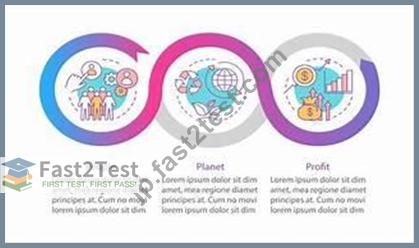
質問 # 231
Which impact categories have been identified as most important for a LEED project to accomplish?
- A. Increase return on investment, promote sustainable and regenerative material cycles
- B. Reduce contribution to climate change, enhance human health and well-being
- C. Increase return on investment, promote human scale development
- D. Protect biodiversity and ecosystem services, improve business efficiency
正解:B
解説:
The LEED rating system is designed to address the most important environmental impacts and human benefits of green building. The impact categories are based on the U.S. Environmental Protection Agency's TRACI method (Tool for the Reduction and Assessment of Chemical and Other Environmental Impacts), which evaluates the potential environmental effects of a product or process over its life cycle. The impact categories are: reverse contribution to global climate change; enhance individual human health and well- being; protect and restore water resources; protect, enhance and restore biodiversity and ecosystem services; promote sustainable and regenerative material cycles; build a greener economy; enhance social equity, environmental justice, community health and quality of life. Among these categories, reducing contribution to climate change and enhancing human health and well-being have been identified as the most important ones for a LEED project to accomplish. References: LEED v4 Green Associate Candidate Handbook, LEED v4 BD+C Reference Guide
質問 # 232
Which of the following tools should be used to identify indoor environmental issues and prepare a corrective action plan to make necessary changes?
- A. Mixed-mode design calculations
- B. Thermal sensors
- C. Life-cycle assessments
- D. Occupant surveys
正解:D
解説:
Occupant surveys are tools that can be used to identify indoor environmental issues and prepare a corrective action plan to make necessary changes. Occupant surveys are questionnaires that collect feedback from the building users about their satisfaction, comfort, health, and productivity in relation to the indoor environmental quality (IEQ) factors, such as thermal comfort, indoor air quality, lighting quality, acoustic quality, and occupant control. Occupant surveys can help to identify the sources and causes of IEQ problems, as well as the potential solutions and improvements. Occupant surveys are also required for some LEED credits, such as IEQc7.2 Thermal Comfort, Verification1, which requires a corrective action plan if more than 20% of the occupants are dissatisfied with the thermal conditions in the space2. The other options are not directly related to identifying indoor environmental issues and preparing a corrective action plan, as they involve different types of tools or metrics that are not relevant for measuring occupant satisfaction and comfort.
質問 # 233
A new tenant in an existing office building is pursuing LEED certification. The tenant would like to encourage alternative transportation methods. Which of the following items can be used to satisfy this request and achieve LEED Location and Transportation Credit?
- A. Develop on a brownfield site after remediation
- B. Develop an alternative commuting incentive program
- C. Designate preferred parking for motorcycles
- D. Provide underground parking
正解:B
解説:
An alternative commuting incentive program is a strategy that can be used to encourage alternative transportation methods, such as public transit, carpooling, biking, or walking. An alternative commuting incentive program can provide benefits or rewards for the employees or tenants who use alternative transportation modes, such as subsidies, vouchers, discounts, prizes, recognition, or preferential parking. This strategy can help to achieve LEED Location and Transportation Credit: Alternative Transportation1 . References: LEED v4 Green Associate Candidate Handbook1, LEED v4 BD+C Reference Guide
質問 # 234
Which strategy can be used to reduce the amount of construction waste?
- A. Specify regional materials
- B. Institute an off-site composting program
- C. Encourage recycling
- D. Increase the use of recycled content
正解:C
解説:
Explanation
Recycling is a strategy that can be used to reduce the amount of construction waste that is sent to landfills or incinerators. Recycling involves collecting, sorting, processing, and reusing or selling materials that would otherwise be discarded as waste. Recycling can save natural resources, reduce greenhouse gas emissions, create jobs, and lower disposal costs1 . References: LEED v4 Green Associate Candidate Handbook1, EPA's Recycling Basics
質問 # 235
What is a reason to clearly identify the project boundary?
- A. To define the building envelope
- B. To define the limits of site disturbance
- C. To determine the total area of the project classified as a brownfield
- D. To give priority for certification to projects with a smaller footprint
正解:B
解説:
Explanation
The project boundary is the area within which the project team has authority to implement the LEED requirements. It is important to clearly identify the project boundary to define the limits of site disturbance, which can affect the environmental performance of the project. For example, limiting site disturbance can help reduce soil erosion, protect natural habitats, and conserve water resources. The project boundary also determines the scope of the site assessment and the applicability of some credits. References: LEED v4 BD+C Reference Guide, Introduction, page 13
質問 # 236
Flush out process is performed to remove which of the following?
- A. Waste
- B. voc
- C. Graywater
- D. Blackwater
正解:B
解説:
Flush out process is performed to remove volatile organic compounds (VOCs) from the indoor air after construction or renovation12. VOCs are chemicals that can evaporate at room temperature and cause health problems, such as headaches, nausea, and irritation3. Flush out process involves supplying 100% outdoor air to the building for a certain period of time or until a certain amount of air changes are achieved12.
Reference:
Flush-out documentation | LEEDuser1
Building flushout - option 2 | LEEDuser2
Volatile Organic Compounds' Impact on Indoor Air Quality | Indoor Air Quality (IAQ) | US EPA3
質問 # 237
Which of the following is an Environmental Concern when referring to Energy and Atmosphere?
- A. Ventilation levels
- B. Resource depletion
- C. Occupant comfort
- D. Use of native species
正解:B
解説:
Resource depletion is a major environmental concern related to energy use. The extraction and use of non- renewable energy resources (such as fossil fuels) can lead to their depletion over time. This is why strategies that reduce energy use or utilize renewable energy sources are important in green building practices. References: LEED Green Associate Candidate Handbook, U.S. Green Building Council resources
質問 # 238
A design team is creating a mixed-use development aiming for LEED certification. They focus on inclusive design by integrating features such as wide, accessible pathways, tactile paving for navigation, and adjustable workspaces. Which LEED credit category is associated with improving accessibility and inclusion through inclusive design practices in the context of the described project?
- A. Energy and Atmosphere (EA)
- B. Indoor Environmental Quality (EQ)
- C. Sustainable Sites (SS)
- D. Integrative Process (IP)
正解:D
解説:
Integrative Process is the best answer because inclusive design works best when accessibility, equity, occupant needs, and building-use patterns are considered early by the full project team. Wide accessible pathways, tactile paving, and adjustable workspaces require coordination among owners, architects, landscape designers, engineers, users, and facility managers. Sustainable Sites may address outdoor site design, and Indoor Environmental Quality may address occupant comfort, but the question emphasizes a broad inclusive design approach across the mixed-use project. Integrative Process encourages early analysis, team collaboration, and identification of synergies among systems and users. Energy and Atmosphere is not focused on accessibility or inclusion. Inclusive design supports social equity and quality of life, both of which are important sustainability outcomes in LEED thinking.
質問 # 239
Which strategy can be used during the building process and after occupation to reduce waste?
- A. Develop a Sustainable Purchasing Policy
- B. Use grey water for flushing of toilets
- C. Implement a recycling program
- D. Use certified lumber for framing
正解:C
質問 # 240
Utilizing recycled materials achieves the green building objective of
- A. minimizing the need for landfills
- B. promoting the use of virgin materials and resources
- C. increasing demand for products extracted and manufactured within the region
- D. encouraging environmentally responsible forest management
正解:A
質問 # 241
Which term describes misinformation presented to consumers to portray a product or policy as being more environmentally friendly than it is?
- A. Biomimicry
- B. Green infrastructure
- C. Greenwashing
- D. Environmental certification
正解:C
解説:
Explanation
Greenwashing is a term that describes misinformation presented to consumers to portray a product or policy as being more environmentally friendly than it is. Greenwashing can be done by using vague or misleading claims, false labels or certifications, irrelevant or exaggerated benefits, or hidden trade-offs. Greenwashing can deceive consumers into buying products or supporting policies that are not truly green, and undermine the credibility and effectiveness of genuine green initiatives1 . References: LEED v4 Green Associate Candidate Handbook1, EPA's Greenwashing
質問 # 242
What is the minimum gross floor area required for a Building Design and Construction (BD+C) project to be eligible for certification?
- A. 250 ft2 (23 m2)
- B. 750 ft2 (70 m2)
- C. 1000 tt2 (93 m2)
- D. 500 ft2 (46 m2)
正解:C
解説:
The LEED minimum program requirements state that for LEED BD+C and LEED O+M rating systems, the LEED project must include a minimum of 1000 ft2 (93 m2) of gross floor area1.
Reference:
LEED v4: Building Design + Construction Guide
LEED minimum program requirements
LEED For Building Design And Construction (LEED BD+C) Rating Systems In Details
質問 # 243
Which of the following is a strategy that can help projects meet on site sustainability goals during construction?
- A. Update the LEED checklist
- B. Implement a stormwater pollution prevention plan
- C. Purchase Renewable Energy Certificates
- D. Perform a value engineering exercise
正解:B
解説:
Implementing a stormwater pollution prevention plan during construction can help projects meet on-site sustainability goals. This plan outlines measures to control runoff and prevent soil erosion, which can carry pollutants into nearby water bodies. By managing stormwater on-site, projects can protect local water quality while also recharging groundwater supplies. Reference: LEED Green Associate Candidate Handbook, U.S. Green Building Council resources
質問 # 244
......
完全版は2026年最新のLEED-Green-Associate試験問題集テストガイドはトレーニング専門Fast2test:https://jp.fast2test.com/LEED-Green-Associate-premium-file.html
合格準備LEED-Green-AssociateにはFast2testが提供するあなたをLEED Green Associate Exam試験合格させます顕著練習問題:https://drive.google.com/open?id=1bzAT4LkykIRdEm5V5c5BAhgpbq2ap-C0